
AI Moved into the Building
Your software didn’t get the memo.
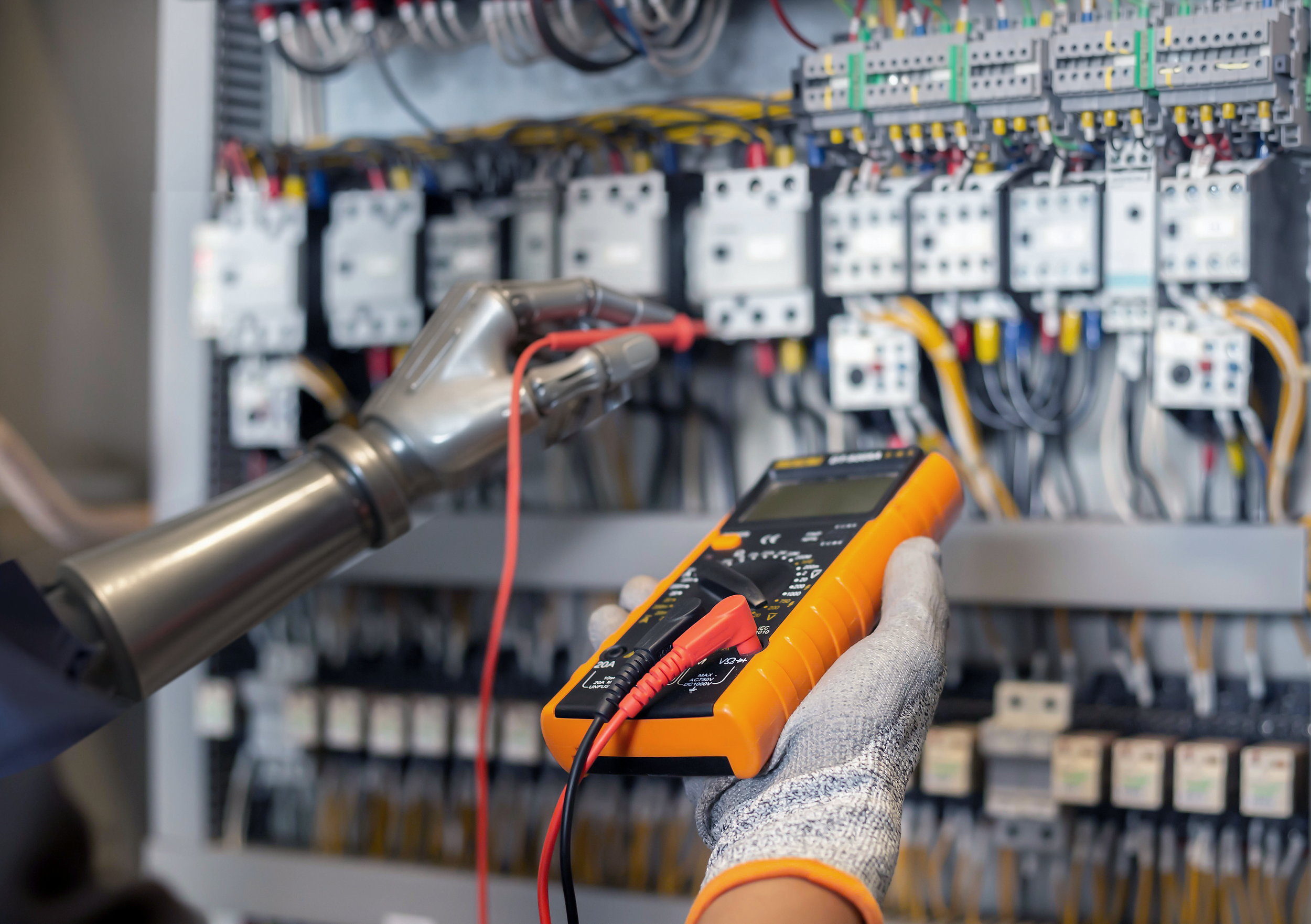
AI may be in the building—but someone still needs to make sure the work gets done. The right software connects intelligent signals to real-world action.
AI in real estate used to live entirely on a screen — dashboards, alerts, pretty charts someone still had to act on by hand. That era's over. AI has crawled out of the browser tab and into the building itself: the thermostats, the access panels, the maintenance carts, the inspection checklists that keep the lights on. The physical world is where the story is now, and that changes what facilities teams actually need from their software.
Here's why it matters: buildings eat roughly 30% of global energy and account for nearly 40% of energy-related CO2 emissions. Small operational wins here are real money and real risk, at scale. Analysts are calling 2026 the year AI stops just pointing at problems and starts running the show. The question isn't if AI touches your buildings. It's whether your systems can keep up with it.
Three shifts are driving this — and all three land on the same conclusion: buildings need a real operational backbone underneath the intelligence. That's the gap Fleet closes.
Shift 1: The Building's Alive 🧟♀️
Buildings are learning to run themselves — almost.
Temperature, lighting, security, energy — they're starting to think for themselves, responding to occupancy, weather, even electricity prices in real time instead of running on a schedule someone set back in March. Modern AI can tune HVAC on the fly and coordinate demand response across an entire portfolio at once.
Cool. Except most buildings aren't wired for it. HVAC, lighting, security, and energy usually live in separate tools from separate vendors, speaking separate languages — and nobody's looking at the whole picture. An AI is only as smart as the plumbing underneath it, and right now that plumbing is a mess for most teams.
~30%
Average HVAC Savings
10-30%
Less Energy Use
The upside is real, though: the U.S. Department of Energy pegs high-performance controls at ~30% average HVAC savings, with controls-and-software upgrades cutting 10–30% of energy use in existing buildings. That's not a someday story — that's a cost, resilience, and compliance story happening right now.
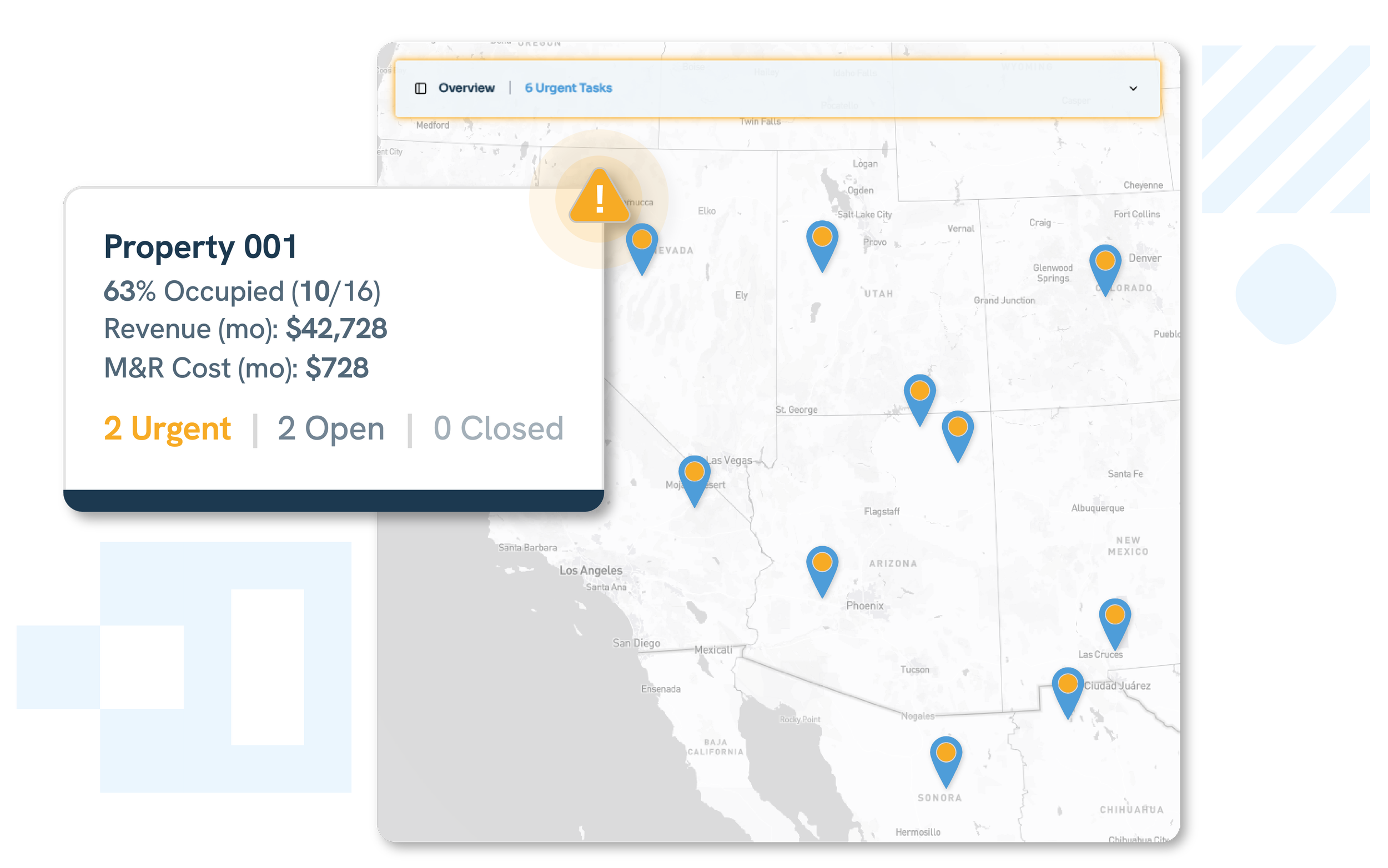
When operations span multiple sites, visibility is the first step toward control. Fleet gives real estate teams a map-based overview of properties, tasks, and operational activity in one place.
This is where Fleet comes in. Somebody still has to turn "the AI flagged something weird" into an assigned task, a finished repair, and a paper trail — across every site, vendor, and system. Fleet gives you one place to run work orders, track full asset histories, and keep every inspection and audit trail centralized, from first alert to closed ticket.
Shift 2: Robot Lives Don't Matter
The safest job is the one a person never has to do.
Robots are taking the jobs nobody wanted anyway. NIOSH says U.S. companies are leaning on robots more for dangerous, repetitive work — because it's safer that way, for the humans at least.
"Unsafe" usually looks routine: a roof inspection in bad weather, a scorching plant room, a confined space, a repetitive lift, an equipment check with zero cell signal. Automation is pulling people out of the riskiest, most avoidable part of the job.
But robots aren't magic safety wands. NIOSH is blunt about it: robotic systems bring their own hazards — crushing, trapping, getting caught by something you didn't see coming. Training, barriers, and supervision still matter, a lot. Safer buildings come from pairing smarter machines with sharper management, not from swapping one for the other and calling it done.
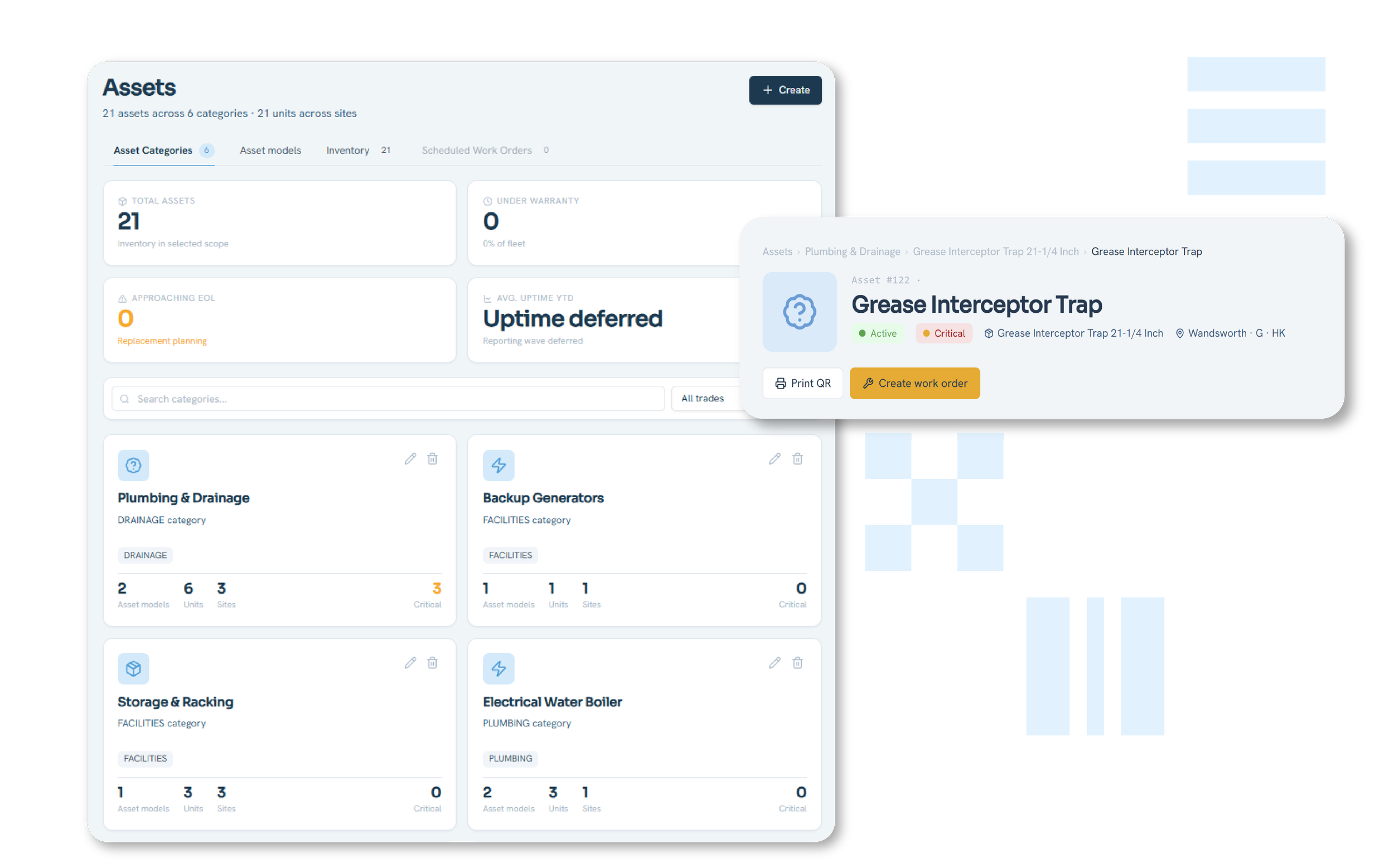
Real estate team still needs the asset history, maintenance records, and context to decide what happens next. Fleet keeps every asset’s information organized and accessible.
That's where good software earns its keep. Fleet helps teams build inspection checklists and safety workflows, log incidents with real follow-through, and see exactly who did what, where, and when — standardized across every building, contractor, and site.
Shift 3: Unreasonable Hospitality
Fixing it before it breaks is the new baseline.
Great hospitality means solving the problem before the guest even knows it exists. Buildings are catching up to that standard. Proactive maintenance is now the baseline. AI can catch a failing unit weeks before it dies, and that matters, because reactive maintenance is one of the most expensive habits in real estate: downtime, frustrated tenants, panicked vendor calls, quietly bleeding asset value.
The Veolia Institute has the receipts — real deployments where AI-enabled buildings caught hidden inefficiencies and delivered meaningful energy savings just by watching and timing maintenance better.
Here's the catch: a prediction is worthless if nothing happens after it. A flagged risk sitting in an inbox is not an insight. It has to become a task, an owner, a record, a closed loop — fast.
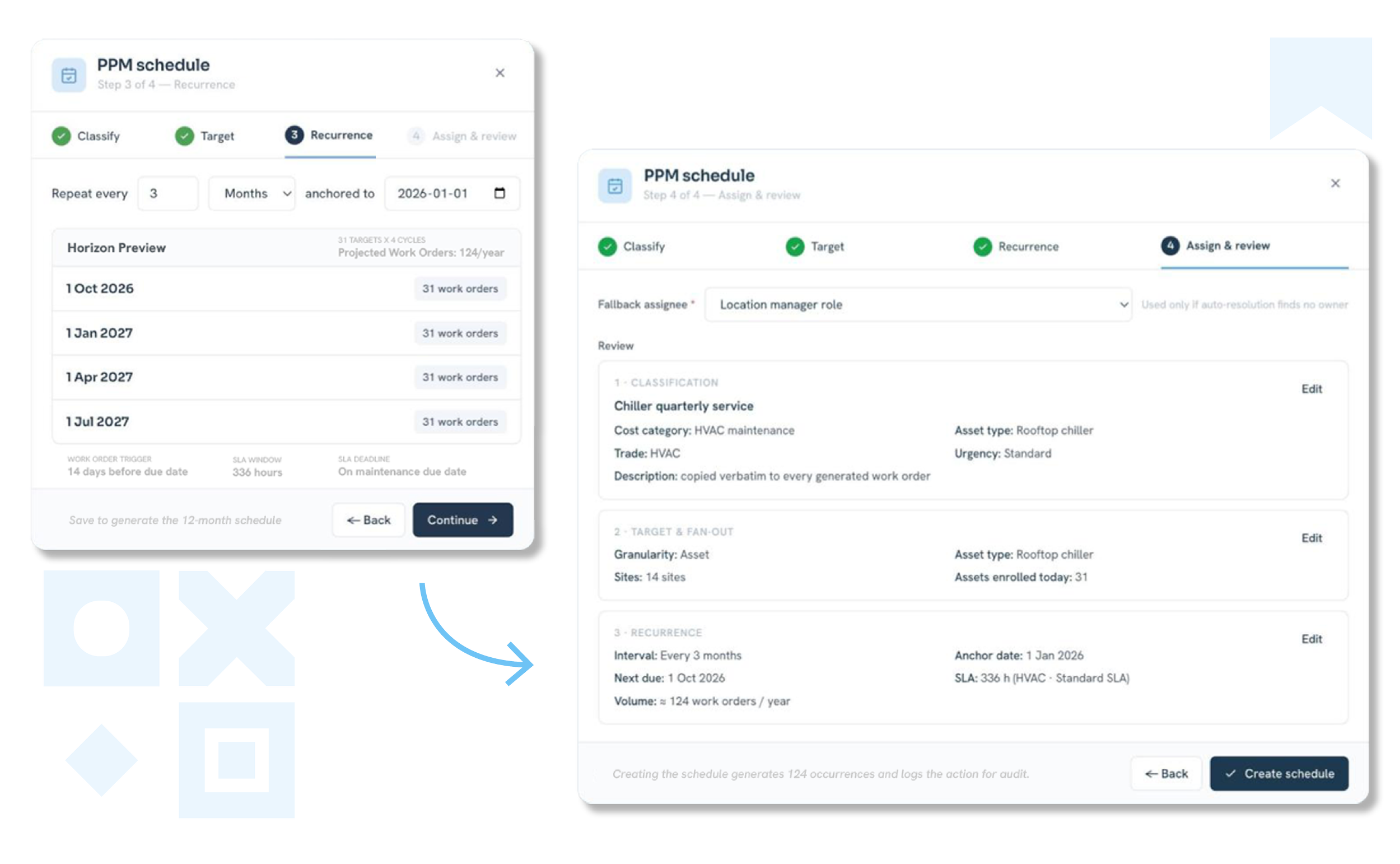
Preventive maintenance works best when it leads to action. Fleet helps teams schedule service, route work orders, and stay ahead of asset issues before they become disruptions.
Fleet is that closed loop. Preventive scheduling, automatic work order routing, mobile updates from the field, full asset-level history, total visibility into what's overdue, in progress, or done. Fleet turns a prediction into finished work, instead of one more alert nobody has time for.
The Bigger Picture
Frost & Sullivan calls 2026 a milestone year for agentic AI-powered smart buildings. But here's the thing that doesn't change: no matter how smart the AI gets, someone still has to run the building. Real estate teams need a dependable operational layer underneath all of it.
AI can flag the anomaly. It still takes a real platform to turn that intelligence into finished work, across every site in your portfolio.
Fleet gives real estate and facilities teams the visibility, structure, and accountability to run better buildings in an AI-shaped world.
Source: JLL’s 2025 survey, Frost and Sullivan forecast, June 23, 2026 release, the US Department of Energy
Ready to See it in Action?
Try Fleet's free demo and manage maintenance, compliance, assets, and daily operations from one platform:
